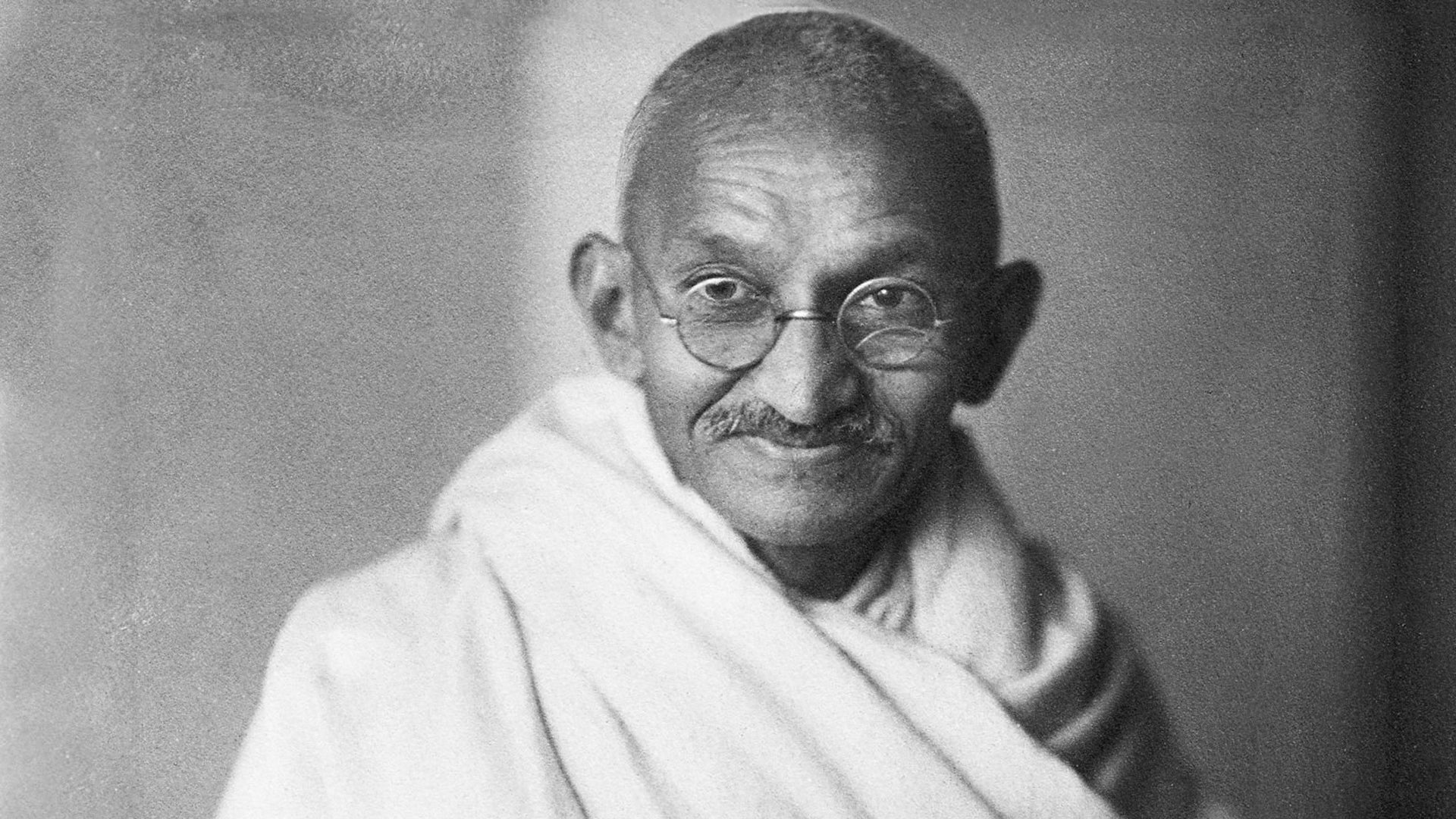
Mahatma Gandhi, the revered leader of India's independence movement, was deeply influenced by the teachings of the Bhagavad Gita, a sacred Hindu scripture. The Bhagavad Gita contains numerous slokas that emphasize the importance of selflessness, non-violence, and the pursuit of truth. Gandhi drew inspiration from these slokas and incorporated their principles into his philosophy of Satyagraha (truth force) and Ahimsa (non-violence), which became the cornerstone of his movement for social justice and freedom.

Rabindranath Tagore, the Nobel laureate poet and philosopher from India, had a deep appreciation for the spiritual and philosophical aspects of life. He frequently drew inspiration from the Upanishads, a collection of ancient Hindu scriptures, and incorporated their slokas into his literary works. Tagore's poems and songs often reflected the profound thoughts and insights found in these slokas, conveying messages of love, harmony, and the interconnectedness of all existence.
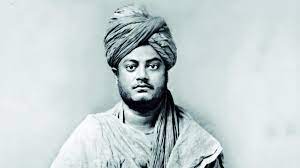
Swami Vivekananda, a prominent spiritual leader and disciple of Sri Ramakrishna, played a crucial role in introducing Hindu philosophy to the West. He often quoted slokas from ancient texts like the Upanishads and the Bhagavad Gita during his speeches and lectures. These slokas helped him convey the essence of Hinduism and its universal teachings on spirituality, self-realization, and the unity of all beings. Swami Vivekananda's profound understanding and interpretation of these slokas greatly influenced teachings.